
Child combat sports, confidence and emotions
Last updated: September 5, 2026
Last updated: September 5, 2026
What combat sports may support in children’s confidence and emotions, what research cannot promise, and what parents can observe.
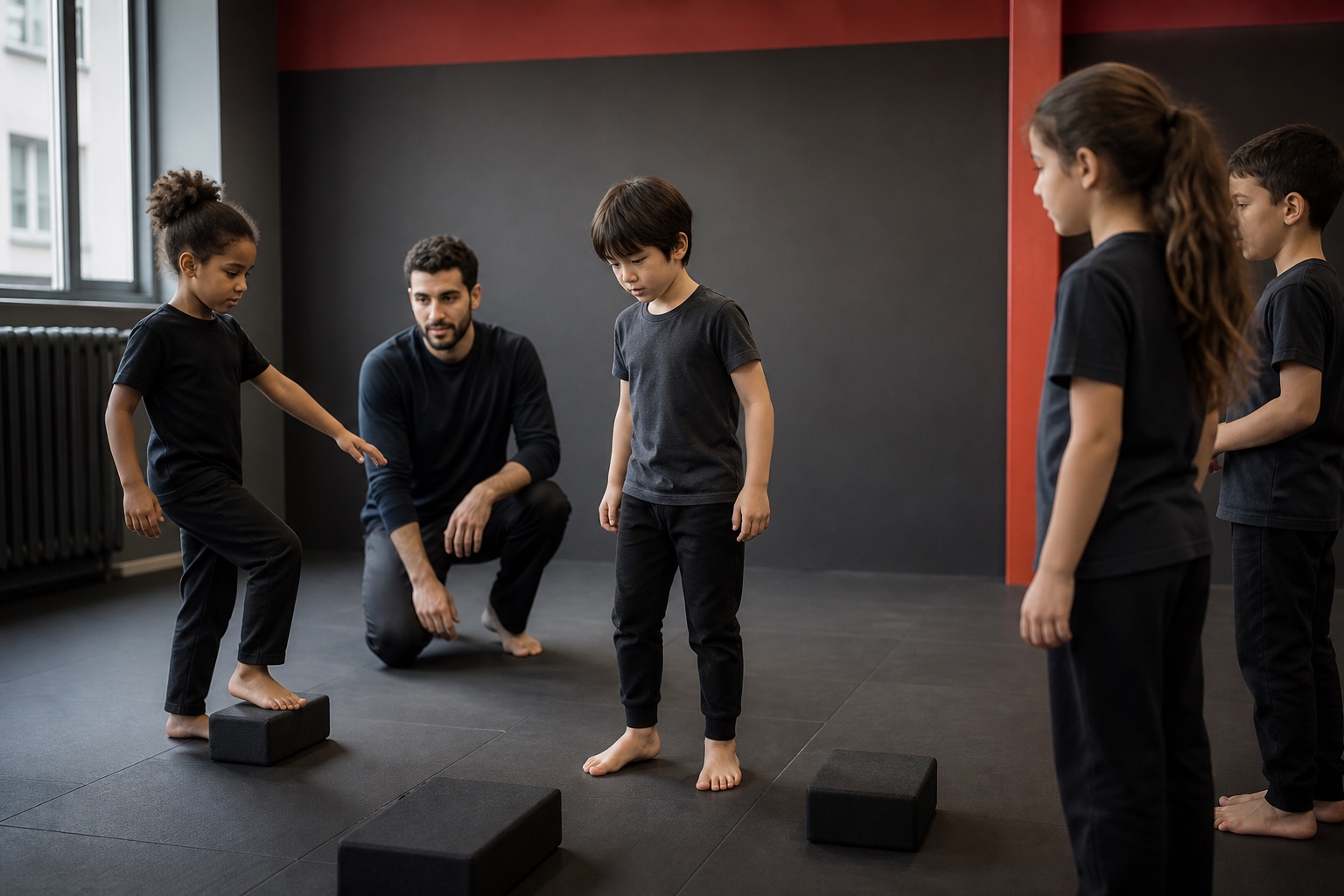
A child may gain satisfaction from learning a movement, asking for help or joining a group. That does not mean a discipline automatically makes every child confident or calm. The coach, group climate and the child’s own interest matter.
A systematic review published on 11 March 2026 found associations between organised sport and psychological and social benefits in children and adolescents. It covers sport broadly, not proof that a particular combat sport or this club will produce those outcomes. Much of the evidence is observational, and context matters. Claims about treating anxiety or reliably reducing aggression go beyond what this guide can establish.
Small achievable tasks let a beginner experience progress. Gradual participation gives a cautious child time. Clear rules make respect and stopping observable. A welcoming group can create belonging without ranking children by toughness. These are things to look for during a trial, not promised clinical results.
Sport is not therapy and must not replace school safeguarding or medical and psychological support. If distress persists, involve the appropriate school or healthcare professional. Do not make a child responsible for solving bullying by learning to fight. Let them tell you what felt comfortable and what did not.
After several sessions, ask: what did you learn, when did you feel comfortable, and do you want to continue? Compare your child with their own starting point, not with another pupil. Talk with the coach about adjusting the pace if the experience is consistently stressful.
Parents · BJJ Junior (FR) · Safety before courage · Recreation first. Competition by choice.
Your first trial class is free. Come and meet the coach, observe the session and let your child form an opinion.
The link opens our contact assistant, not a live booking calendar. Tell the club which class interests you and confirm the time before travelling. A click is not a confirmed booking.